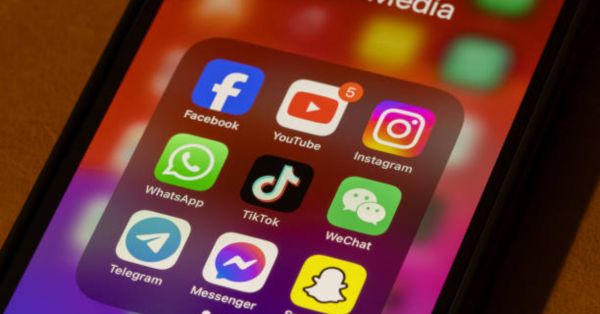
The Impact of Social Media on Mental Health – Social media has become one of the most powerful parts of modern life. Platforms like Facebook, Instagram, TikTok, and X connect billions of people across the world every day. From sharing photos and videos to following trends, building businesses, and staying informed, social media has transformed the way people communicate and interact.
While social media offers many benefits, concerns about its impact on mental health continue to grow. Researchers, parents, teachers, and health professionals are increasingly discussing how constant online activity affects emotions, behavior, self-esteem, and overall well-being. The truth is that social media can have both positive and negative effects depending on how it is used.
Understanding these effects is important because social media is now deeply woven into daily life, especially among teenagers and young adults. Like many powerful tools, it can either support mental wellness or contribute to emotional struggles when used excessively or negatively.
Social Media Helps People Stay Connected
Online platforms can reduce feelings of loneliness
One of the biggest advantages of social media is its ability to connect people instantly. Friends and families can stay in touch regardless of distance. People can join online communities, reconnect with old classmates, and meet others who share similar interests.
For individuals who feel isolated or struggle with social anxiety, social media can provide a sense of belonging. Online support groups often help people dealing with stress, grief, illness, or difficult life situations feel less alone.
Read: Simple Lifestyle Changes That Improve Your Life
Many mental health awareness campaigns also spread through social media, helping reduce stigma and encouraging people to seek help when needed. Positive online communities can provide encouragement, motivation, and emotional support during difficult times.
Excessive Social Media Use Can Increase Anxiety
Too much screen time may affect emotional balance
Although social media can improve communication, spending too much time online may negatively affect mental health. Studies suggest that excessive social media use is linked to increased anxiety, stress, and emotional exhaustion.
Constant notifications, endless scrolling, and pressure to stay updated can overwhelm the brain. Many people feel mentally drained after spending hours online without realizing it.
Social media platforms are designed to keep users engaged for long periods. As a result, people may spend less time resting, exercising, studying, or interacting face-to-face with others.
Over time, this imbalance can affect emotional stability and daily productivity.
Comparison Culture Damages Self-Esteem
People often compare themselves to unrealistic online images
One major mental health challenge linked to social media is unhealthy comparison. Users are constantly exposed to carefully edited photos, luxury lifestyles, beauty trends, and success stories that may not reflect reality.
Many people begin comparing their appearance, relationships, finances, or achievements to what they see online. This can lead to feelings of insecurity, jealousy, or low self-worth.
Teenagers are especially vulnerable because they are still developing confidence and identity. Repeated exposure to unrealistic beauty standards or “perfect lives” may contribute to body image issues and low self-esteem.
What many people forget is that social media often shows only the highlights of someone’s life rather than the full reality.
Cyberbullying Has Serious Emotional Effects
Online harassment can deeply affect mental health
Social media has made communication easier, but it has also increased opportunities for cyberbullying. Hurtful comments, online harassment, rumors, and public humiliation can spread quickly across platforms.
Victims of cyberbullying may experience sadness, fear, anxiety, anger, and emotional distress. In severe cases, it can affect academic performance, relationships, sleep patterns, and confidence.
Unlike traditional bullying, cyberbullying can happen anytime and reach people even in the safety of their homes. This constant exposure can make emotional recovery more difficult.
Creating safer online environments and encouraging respectful digital behavior are important steps toward protecting mental health.
Social Media Can Affect Sleep Quality
Late-night scrolling disrupts healthy sleep patterns
Many people use social media late into the night without realizing how it affects sleep. The blue light from screens can interfere with the body’s natural sleep cycle by reducing melatonin production, the hormone responsible for sleep.
In addition, emotionally stimulating content keeps the brain active when it should be relaxing. Watching videos, reading comments, or checking notifications before bed often makes it harder to fall asleep.
Poor sleep is strongly connected to stress, mood swings, reduced concentration, and mental fatigue. Over time, lack of quality sleep can increase the risk of anxiety and depression.
Limiting screen time before bedtime is one of the simplest ways to improve both sleep and mental well-being.
Social Media Can Spread Positivity and Awareness
Digital platforms can inspire education and support
Despite its challenges, social media also plays a positive role in mental health awareness. Many psychologists, therapists, educators, and wellness advocates use these platforms to share valuable information about stress management, self-care, and emotional health.
Inspirational stories, motivational content, and educational resources can encourage people to improve their lives and seek support when necessary.
Social media has also helped important conversations about mental health become more open and accepted worldwide. People are now more willing to discuss emotional struggles and support one another online.
When used intentionally, social media can be a powerful source of learning, creativity, and inspiration.
Addiction to Social Media Is Becoming More Common
Constant online engagement can become unhealthy
Some people develop unhealthy dependence on social media without realizing it. They may feel anxious when away from their phones or constantly check notifications even during conversations, classes, or meals.
This behavior can reduce real-world interactions and make it difficult to focus on important responsibilities. Social media addiction may also increase feelings of loneliness despite constant online activity.
The brain often becomes used to the quick rewards of likes, comments, and shares, creating habits that are difficult to break.
Setting healthy boundaries with technology can help reduce dependence and improve emotional balance.
Healthy Social Media Habits Matter
Balance is the key to protecting mental health
Social media itself is not entirely good or bad. The impact largely depends on how individuals use it. Healthy habits can help people enjoy the benefits of social media while protecting their mental well-being.
Taking breaks from social platforms, following positive accounts, limiting screen time, and avoiding harmful online spaces can make a big difference. Spending more time on real-life activities, hobbies, exercise, and personal relationships also helps maintain emotional balance.
Being mindful of how social media makes you feel is important. If certain content consistently causes stress, sadness, or insecurity, reducing exposure to it may improve mental health.
Parents and Schools Play an Important Role
Guidance helps young people build healthy habits
Young people often need support in developing healthy relationships with technology. Parents, teachers, and guardians can help by encouraging open conversations about social media use and emotional well-being.
Teaching digital responsibility, self-confidence, and critical thinking helps teenagers understand that not everything online reflects reality.
Creating healthy boundaries around screen time while encouraging offline activities can also support better mental and emotional health.
Conclusion
Social media has changed the world in remarkable ways. It connects people, spreads information quickly, creates opportunities, and gives individuals a platform to express themselves. However, its impact on mental health cannot be ignored.
While social media can provide support, education, and connection, excessive or unhealthy use may contribute to anxiety, low self-esteem, sleep problems, stress, and emotional struggles. The key lies in balance and mindful usage.
By developing healthy digital habits and maintaining strong real-life connections, people can enjoy the positive side of social media while protecting their mental well-being. In today’s digital world, learning how to use social media wisely has become an essential part of living a healthier and happier life.
1 thought on “The Impact of Social Media on Mental Health”